ByJohn A
A Guide to Choosing Bathroom Vanities in Houston
A bathroom vanity is one of the most important features in a bathroom. It combines a sink, countertop, storage, and often a mirror or lighting arrangement into one functional area. The right vanity can improve organization, support daily routines, and give your bathroom a more polished appearance.
For homeowners exploring bathroom vanities in Houston, the choices can seem overwhelming. Different sizes, materials, finishes, countertop options, and installation styles make it important to understand what works best for your space.
Whether you are updating a small guest bathroom or renovating a spacious primary suite, choosing the right vanity requires a balance of design, durability, storage, and budget. HL Remodeling is a brand you can consider when exploring bathroom remodeling options and planning how a new vanity might fit into your renovation.
Why Is Choosing the Right Bathroom Vanity Important?
A vanity is more than a decorative cabinet. It is a practical feature that influences how comfortably you use your bathroom.
A poorly sized vanity can obstruct movement, create awkward storage arrangements, or leave insufficient counter space. A well-chosen model can organize personal items, accommodate plumbing, and complement the room’s overall design.
The right vanity should address three main needs: functionality, appearance, and durability.
Functionality means having enough storage and counter space for everyday activities.
Appearance involves selecting a design, color, and finish that complement the bathroom.
Durability means choosing materials and construction that can withstand frequent use and bathroom moisture.
Considering these factors together helps you avoid choosing a vanity that looks attractive in a showroom but performs poorly at home.
Types of Bathroom Vanities to Consider
Bathroom vanities are available in several styles. Each offers different advantages depending on your room’s dimensions and design goals.
1. Freestanding Bathroom Vanities
Freestanding vanities resemble traditional cabinets that rest on the floor. They are available in a wide variety of sizes, finishes, and configurations.
Because they offer substantial storage options, freestanding vanities are often suitable for family bathrooms and primary bathrooms. Drawers and cabinet doors can hold toiletries, cleaning supplies, towels, and other essentials.
These vanities also work with traditional, transitional, and contemporary design styles.
Before purchasing one, check its dimensions, plumbing clearance, and door or drawer operation. Make sure the vanity will not interfere with nearby doors or reduce comfortable walking space.
2. Wall-Mounted Vanities
Wall-mounted vanities attach to the wall rather than resting directly on the floor. Their raised design creates a visually open appearance and can make cleaning beneath the cabinet easier.
They are popular in modern bathrooms and may work particularly well in compact spaces.
However, installation requires suitable wall support and careful coordination with plumbing. The wall must be capable of supporting the installed unit and its expected load.
If you prefer this style, discuss the wall structure, mounting requirements, and plumbing arrangement with your remodeling professional before ordering.
3. Double-Sink Vanities
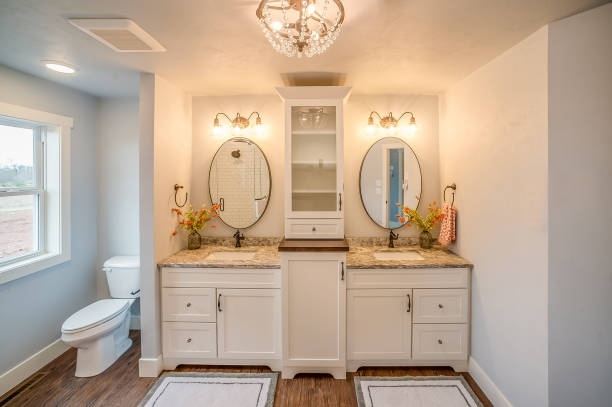
Double-sink vanities provide two sinks within one cabinet or countertop arrangement. They are often useful in primary bathrooms shared by multiple household members.
The additional sink space can make morning and evening routines more convenient. However, a double vanity requires sufficient room for two users to move comfortably.
Measure the available wall length and account for faucet spacing, mirror placement, lighting, and storage. Two sinks are not always the best solution if they leave inadequate counter space or make the room feel crowded.
4. Floating and Compact Vanities
Compact vanities are designed for smaller bathrooms and powder rooms. They provide a sink and limited storage without occupying as much floor space as a larger cabinet.
Floating designs may create a light, contemporary appearance, while narrow freestanding models can suit traditional interiors.
Before selecting a compact vanity, determine how much storage you genuinely need. You may need supplementary shelving, a medicine cabinet, or a separate linen cabinet to accommodate everyday belongings.
How to Measure Your Bathroom for a Vanity
Accurate measurements are essential when shopping for bathroom vanities in Houston.
Start by measuring the available wall width, the distance from the wall to nearby fixtures, and the room’s overall depth. Record the position of the existing drain, water supply lines, electrical outlets, and any obstacles.
Measure Width, Depth, and Height
Width determines how much wall space the vanity occupies. Depth affects how far it projects into the room, while height influences comfort during everyday use.
Do not assume that the dimensions of the existing vanity will work for a replacement. Different countertop overhangs, sink shapes, and cabinet configurations may change the available space.
Also account for door swings, shower doors, toilet clearance, and walking paths.
Consider Plumbing Locations
Keeping the new vanity close to existing plumbing may reduce the need for pipe relocation. However, the actual savings depend on the layout and condition of the plumbing system.
Wall-mounted models and designs with drawers may require different plumbing arrangements from traditional cabinets.
Have the proposed vanity dimensions reviewed before ordering, particularly if the new design changes the sink location or storage configuration.
Plan for Mirrors and Lighting
The vanity should work visually and functionally with the mirror and lighting.
A wide vanity may accommodate a large mirror or two separate mirrors. A compact vanity may benefit from a carefully positioned mirror that enhances the sense of space.
Lighting should illuminate the face without creating distracting shadows. Coordinate the mirror, light fixtures, and faucet style before finalizing the design.
Choosing Materials for Bathroom Vanities
Bathroom materials must withstand humidity, splashes, cleaning products, and everyday wear.
Solid Wood
Solid wood offers a natural appearance and can suit traditional or contemporary bathrooms. Its performance depends on the wood species, construction, finish, and moisture exposure.
Because wood can respond to changes in humidity, proper sealing and maintenance are important.
Plywood Cabinet Construction
Quality plywood is commonly used in cabinet construction. Its strength and performance depend on the grade, thickness, assembly, and finish.
Ask about the cabinet box, drawer construction, hardware, and warranty rather than judging quality by the exterior finish alone.
Medium-Density Fiberboard
Medium-density fiberboard, or MDF, is an engineered wood product that can provide a smooth surface for painted finishes.
Its moisture resistance depends on the specific product and protective finish. Damaged or exposed edges can be vulnerable to water, so appropriate construction and installation matter.
Countertop Materials
Popular vanity countertop choices include quartz, granite, solid-surface materials, and other bathroom-suitable products.
Quartz is valued for its consistent appearance and relatively low-maintenance surface. Natural stone offers unique patterns but may require specific care or sealing. Solid-surface products can provide a uniform appearance and may allow certain repairs, depending on the product.
Compare stain resistance, maintenance requirements, durability, and installation cost before making a selection.
Choosing the Right Vanity Style for Your Bathroom
The vanity should complement the bathroom’s existing or planned design.
Modern Bathroom Vanities
Modern designs often feature simple lines, streamlined hardware, flat cabinet fronts, and understated colors.
White, gray, natural wood tones, and darker finishes can all work well, depending on the surrounding tile, flooring, and lighting.
Traditional Bathroom Vanities
Traditional vanities may include decorative cabinet doors, detailed trim, furniture-style legs, and classic hardware.
They can pair well with natural stone countertops, framed mirrors, and traditional faucets.
Transitional Bathroom Vanities
Transitional designs combine traditional warmth with contemporary simplicity. They often feature straightforward cabinet profiles, restrained hardware, and versatile finishes.
This style can be useful if you want a bathroom that feels current without being strongly tied to a short-lived design trend.
See also: How Businesses Measure Application Performance
Houston’s Climate and Bathroom Vanity Durability
Houston’s warm, humid climate makes moisture management an important consideration for bathroom remodeling.
Indoor humidity, poor ventilation, plumbing leaks, and standing water can affect cabinetry and finishes. Choosing a vanity designed for bathroom use is helpful, but no material is completely protected from prolonged water exposure.
Consider the following precautions:
- Use a properly installed bathroom exhaust fan.
- Wipe up standing water promptly.
- Inspect plumbing connections periodically.
- Maintain countertop and sink seals as recommended.
- Avoid allowing leaks to remain unnoticed.
- Follow the manufacturer’s cleaning and maintenance instructions.
A well-ventilated bathroom and timely repairs can help protect the vanity and other finishes.
How Much Do Bathroom Vanities in Houston Cost?
The cost of a bathroom vanity depends on its size, materials, brand, countertop, sink configuration, and installation requirements.
A basic prefabricated vanity will generally cost less than a custom-built unit with specialized storage and premium materials.
Additional expenses may include faucet replacement, plumbing modifications, countertop installation, mirror upgrades, electrical work, and removal of the old cabinet.
Custom work can provide a more tailored fit, but it may require additional design time and a larger budget.
To compare prices fairly, make sure estimates identify the cabinet, countertop, sink, hardware, delivery, installation, and any associated plumbing work. Confirm whether taxes and disposal fees are included.
Common Vanity Shopping Mistakes to Avoid
Choosing the wrong size: A vanity that is too large can obstruct movement, while an undersized model may not provide adequate storage.
Ignoring plumbing: A cabinet’s drawers may conflict with existing pipes or require plumbing changes.
Prioritizing appearance over construction: Attractive finishes cannot compensate for poor cabinet assembly or unsuitable materials.
Forgetting maintenance: Some surfaces require more care than others. Consider your cleaning routine before making a decision.
Overlooking storage needs: Evaluate the items you use daily and determine whether drawers, shelves, or cabinet doors will organize them most effectively.
Ordering before confirming measurements: Always verify dimensions and installation requirements before finalizing the purchase.
How HL Remodeling Can Fit Into Your Vanity Planning
A bathroom vanity is often part of a larger remodeling project involving countertops, mirrors, lighting, flooring, and plumbing fixtures.
When exploring options with HL Remodeling, prepare the bathroom’s measurements, photographs, preferred styles, and approximate budget. Explain whether you want to improve storage, modernize the room, or change the existing layout.
Ask about installation requirements and whether the proposed vanity works with the planned countertop, sink, faucet, and plumbing configuration. Clarify the scope of work and request a written estimate before committing.
Careful coordination helps ensure that the new vanity fits both your design preferences and the practical needs of your bathroom.
Conclusion
Choosing bathroom vanities in Houston involves more than selecting a cabinet that matches your preferred color. The right vanity should fit the available space, provide convenient storage, complement the overall design, and withstand everyday bathroom conditions.
Measure carefully, evaluate construction quality, compare countertop materials, and consider Houston’s humidity when planning for durability. Confirm plumbing and installation requirements before ordering to avoid unnecessary changes and expenses.
Whether you prefer a compact vanity, a floating design, or a spacious double-sink model, thoughtful planning can help you achieve a bathroom that is both attractive and functional.
If you are considering a bathroom renovation, explore your options with HL Remodeling. By identifying your priorities and evaluating suitable materials and layouts, you can make a more informed decision about the vanity that best fits your home.