ByJohn A
Choosing the Right Screw Pier Installation Service in Sydney
A strong foundation is essential for the stability, performance, and longevity of any construction project. Whether you are building a raised floor, constructing a deck, supporting a new structure, or undertaking a project on challenging ground, selecting the right foundation system is an important decision.
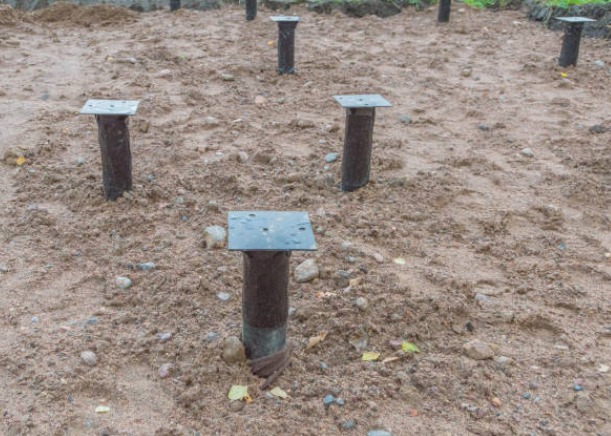
Screw piers, also known as screw piles or helical piles, are foundation elements installed by rotating steel shafts with helical plates into the ground. When appropriately designed and installed, they transfer structural loads into suitable soil or other supporting ground materials.
Screw pier systems can be useful for residential and selected commercial construction projects because installation may require less excavation and produce less spoil than some conventional foundation methods. However, their suitability depends on the ground conditions, structural loads, design requirements, and available installation equipment.
Choosing the right screw pier installation service in Sydney involves evaluating technical capability, installation methods, safety practices, and the contractor’s understanding of your project.
MRN Excavations provides screw pier installation and excavation-related services across Sydney, Wollondilly, the South Coast, and surrounding areas. This guide explains what to look for when selecting a screw pier contractor and how to prepare for a successful installation.
What Are Screw Piers?
Screw piers are foundation components designed to support structures by transferring loads into suitable ground. A typical system consists of a steel shaft fitted with one or more helical plates that help the pier advance into the soil as it rotates.
Depending on the design, the pier may support compression loads, tension loads, or a combination of forces. The required capacity depends on the pier’s dimensions, material properties, installation conditions, and the surrounding ground.
Screw piers are used in a variety of applications, including decks, raised floors, extensions, selected retaining structures, and other engineered foundations.
They are not automatically suitable for every site. A qualified designer should determine whether a screw pier system is appropriate and specify the required foundation arrangement.
Why Consider Screw Pier Installation in Sydney?
Sydney construction sites can present different challenges, including sloping blocks, restricted access, variable soil conditions, and nearby existing structures.
In suitable conditions, screw piers can offer a practical alternative to foundation systems that require larger excavations or concrete pours.
1. Potentially Faster Installation
Screw piers are mechanically installed using suitable equipment. Depending on the design and site conditions, this can reduce the time spent excavating individual foundation locations.
Some systems can also be loaded soon after installation when the design, installation records, and specified acceptance criteria allow it. The contractor should confirm the required process for the particular project.
Faster installation is not guaranteed. Hard ground, rock, obstructions, access restrictions, or unexpected installation conditions may affect progress.
2. Reduced Excavation in Suitable Conditions
Because screw piers are installed by rotating into the ground, they can often be installed without excavating a large hole for every foundation.
This may be beneficial in established residential areas where preserving existing gardens, pathways, or surrounding surfaces is important.
Nevertheless, some preliminary excavation or local ground preparation may still be necessary.
3. Less Spoil to Handle
Conventional foundation methods may involve removing soil from each footing location. Screw pier installation can reduce the quantity of excavated material in suitable ground conditions.
This may reduce the need for spoil stockpiling, truck movements, and disposal arrangements.
Actual savings depend on the foundation design and the installation process.
4. Suitability for Restricted-Access Sites
Some screw pier systems can be installed using compact equipment designed for restricted-access locations.
This can be useful for residential extensions, raised floors, decks, and properties where large machinery cannot easily reach the work area.
However, equipment dimensions, working clearance, ground bearing capacity, and overhead restrictions must be assessed before selecting the system.
5. Adaptability to Different Foundation Designs
Screw piers are available in different shaft sizes, lengths, and configurations. These variations allow engineers to specify systems for different load requirements and site conditions.
The selected system must match the engineering design. A contractor should not substitute pier dimensions or installation methods without the appropriate technical approval.
Key Factors When Choosing a Screw Pier Installation Service
1. Relevant Experience
Look for a contractor with experience in screw pier installation rather than relying solely on general construction experience.
Ask about projects similar to yours, including the type of structure, access conditions, and ground conditions involved.
An experienced installer should be able to explain the installation process, identify potential constraints, and describe how unexpected ground conditions will be managed.
2. Licensing and Credentials
Screw pier installation can fall within regulated underpinning or piering work, depending on the project and the work being performed.
In NSW, relevant licensing requirements apply to certain underpinning and piering activities, including qualifying residential building or trade work above the applicable $5,000 threshold.
Before engaging a contractor, verify the licence category and current status against the requirements for your particular project. Confirm any additional qualifications required for the work.
3. Engineering Design and Documentation
A screw pier contractor should work from an appropriate foundation design or engineering specification where required.
The design may identify pier locations, dimensions, minimum installation requirements, expected loads, and verification criteria.
Ask who is responsible for engineering design and who will verify that the installed system satisfies the specification.
Do not assume that a pier’s appearance or depth alone demonstrates its structural capacity.
4. Appropriate Installation Equipment
The installation equipment must be suitable for the selected pier system and site conditions.
Important considerations include the equipment’s torque capacity, access dimensions, operating clearance, and ability to install the pier within the required alignment tolerances.
For restricted residential sites, a smaller machine may be advantageous. Larger or more demanding installations may require different equipment.
The contractor should explain how the proposed equipment will access and operate within the property.
5. Installation Verification and Records
Installation records can help demonstrate how the work was completed.
Depending on the design, documentation may include pier locations, installed lengths, installation torque or other verification information, and details of any deviations from the specification.
Ask what records will be provided and how any unexpected installation conditions will be addressed.
Where testing or independent verification is required, clarify who will arrange it.
Understanding the Screw Pier Installation Process
Although each project is different, the process generally involves several stages.
Stage 1: Site Assessment
The contractor reviews the proposed installation area, access restrictions, existing structures, ground information, and project requirements.
This stage helps identify practical challenges before equipment arrives on site.
Stage 2: Engineering and Pier Selection
The appropriate design professional determines the foundation requirements based on structural loads and ground conditions.
The specification may identify pier type, shaft dimensions, helix configuration, installation depth criteria, and verification requirements.
Stage 3: Site Preparation
The work area is prepared, and underground service information is obtained. Existing structures, overhead hazards, and access routes are considered.
Before You Dig Australia provides information to help identify underground assets, but available plans should not be treated as a guarantee of the exact location of every service.
Additional locating or investigation may be necessary.
Stage 4: Mechanical Installation
The installer positions the equipment and rotates each pier into the ground according to the specified procedure.
The installation is monitored for alignment and the required acceptance criteria. Unexpected refusal, obstructions, or changes in ground conditions should be documented and addressed with the appropriate technical team.
Stage 5: Final Checks and Handover
The installed piers are checked against the project requirements. Depending on the specification, the handover may include installation records, inspection information, and details of any approved changes.
The next construction stage should proceed only when the required acceptance and verification steps have been completed.
Questions to Ask Before Hiring a Screw Pier Contractor
Before signing an agreement, consider asking:
- Do you have experience with this type of structure and site?
- What licences and insurance are relevant to the work?
- Who provides the engineering design?
- What pier system and installation equipment are proposed?
- How will underground services be identified and protected?
- What happens if a pier encounters rock or an obstruction?
- What installation records will be provided?
- Are testing, engineering, mobilisation, and site preparation included in the quotation?
- How are variations and unexpected costs approved?
- What is the expected installation schedule?
Clear answers make it easier to evaluate the contractor’s suitability and understand your responsibilities.
What Affects Screw Pier Installation Costs?
The cost of screw pier installation in Sydney depends on several factors.
Number of piers: The total quantity affects labour, equipment time, and material requirements.
Pier specifications: Shaft dimensions, helix configuration, steel requirements, and pier length influence material costs.
Ground conditions: Rock, obstructions, variable soil, or difficult installation conditions can affect productivity and may require a revised design.
Site access: Restricted access can affect equipment selection, mobilisation, and installation time.
Engineering and testing: Design services, inspections, load testing, and other verification requirements may form part of the overall project cost.
Project complexity: Existing structures, sloping terrain, tight working areas, and coordination with other trades may increase the complexity of the installation.
Request a written quotation that clearly identifies inclusions, exclusions, and the process for approving variations.
Common Mistakes to Avoid
Choosing Based on Price Alone
A low quotation may omit engineering coordination, testing, installation documentation, or other necessary work.
Compare the complete scope rather than the headline price.
Assuming All Screw Piers Are the Same
Different pier systems have different specifications and capacities. The correct option depends on the project design and site conditions.
Ignoring Ground Information
Unverified assumptions about the soil can lead to installation difficulties or unsuitable foundation selections. Provide available geotechnical information and discuss any uncertainty with the relevant professionals.
Overlooking Service Locations
Underground utilities must be considered before installation. A pier can interfere with buried services if their locations are not adequately investigated and managed.
Failing to Clarify Responsibility
Confirm who is responsible for design, installation, inspection, testing, and final acceptance. This is particularly important when builders, engineers, and foundation contractors are working together.
Why Consider MRN Excavations?
MRN Excavations provides screw pier installation and excavation services across Sydney, Wollondilly, the South Coast, and surrounding regions.
Its service offering includes screw piers, bulk excavation, detailed excavation, and lawn landscaping. This can be relevant when a construction project involves foundation installation alongside other groundworks.
When contacting MRN Excavations, provide the project location, available plans, required pier locations, access measurements, and any engineering specifications you have received.
These details help establish the proposed scope and identify any information needed before the work can be accurately quoted.
Frequently Asked Questions
Are screw piers suitable for residential construction?
They can be suitable for many residential applications, including selected decks, raised floors, extensions, and other structures. Suitability must be confirmed by the appropriate design professional.
How long does screw pier installation take?
The timeframe depends on the number and type of piers, ground conditions, site access, and verification requirements. A straightforward installation may be completed quickly, while complex sites may require additional investigation or work.
Do screw piers require concrete?
Many screw pier systems are mechanically installed without requiring concrete for the pier itself. However, the overall foundation design may include concrete or other materials for connections, caps, or associated structural components.
Seemalso: How Businesses Implement FinOps Practices
Can screw piers be installed on sloping blocks?
They may be suitable for some sloping sites, provided the system is designed for the ground conditions, structural loads, and installation constraints.
What documentation should I receive?
Documentation depends on the project specification. It may include installation records, inspection information, test results where required, and confirmation of any approved variations.
Conclusion
Choosing the right screw pier installation service in Sydney involves assessing experience, licensing, engineering coordination, installation equipment, safety, and documentation.
Screw piers can provide practical foundation solutions for suitable construction projects, but their performance depends on proper design and installation rather than the foundation type alone.
MRN Excavations offers screw pier installation and related excavation services across Sydney and surrounding regions. Contact the team to discuss your project requirements and determine the information needed to plan your foundation work.